Apple WWDC 2026: The Future Glows and It's Watching You Think

Apple WWDC 2026: The Future Glows — and It's Watching You Think
June 8, 2026 — Cupertino, CA
Apple just wrapped its Worldwide Developers Conference 2026, and if there was one unmistakable message from the keynote: the era of passive software is over. The devices in your pocket, on your wrist, and on your desk are no longer just tools — they are becoming intelligent partners. Whether you're ready for that or not is a different question entirely.
Here's everything that happened, why it matters, and why the clock is ticking louder than ever.
🔮 The New Siri: Apple's Biggest Bet in a Decade
Let's start with the headline everyone came for.
Siri has been rebuilt from the ground up. Not patched. Not upgraded. Rebuilt. After years of trailing behind ChatGPT and Google Assistant, Apple finally delivered the conversational AI overhaul that was first teased back in 2024 — this time powered by a custom Gemini-based model developed in partnership with Google.
The new Siri is genuinely different:
- Cross-device continuity: Start a conversation on your iPhone, continue it on your Mac, pick it back up on your Apple Watch. Siri follows you seamlessly across your entire Apple ecosystem.
- On-screen awareness: Siri can now read what's on your screen and act on it — summarizing an email you're reading, booking a restaurant from a review you're browsing, or explaining a concept you've highlighted.
- Camera integration: A dedicated Siri mode now lives inside the iPhone camera app, letting you ask about what you're pointing at in real time.
- Personalized voice: You can now tune Siri's tone, pace, and pitch — making it feel less like a generic assistant and more like your assistant.
- Write with Siri: Personalized writing prompts in Journal and Messages, driven by your own communication style.
- CarPlay & AirPods: Siri now works hands-free and contextually in your car and through your earbuds, keeping you connected without ever pulling out your phone.
This is the Siri we were promised in 2024. It's arrived, and it's serious.
✨ Liquid Glass: Refined, Not Redesigned
Last year's Liquid Glass design language was polarizing. People either loved the translucent, glowing aesthetic or found it visually noisy and hard to read. Apple listened.
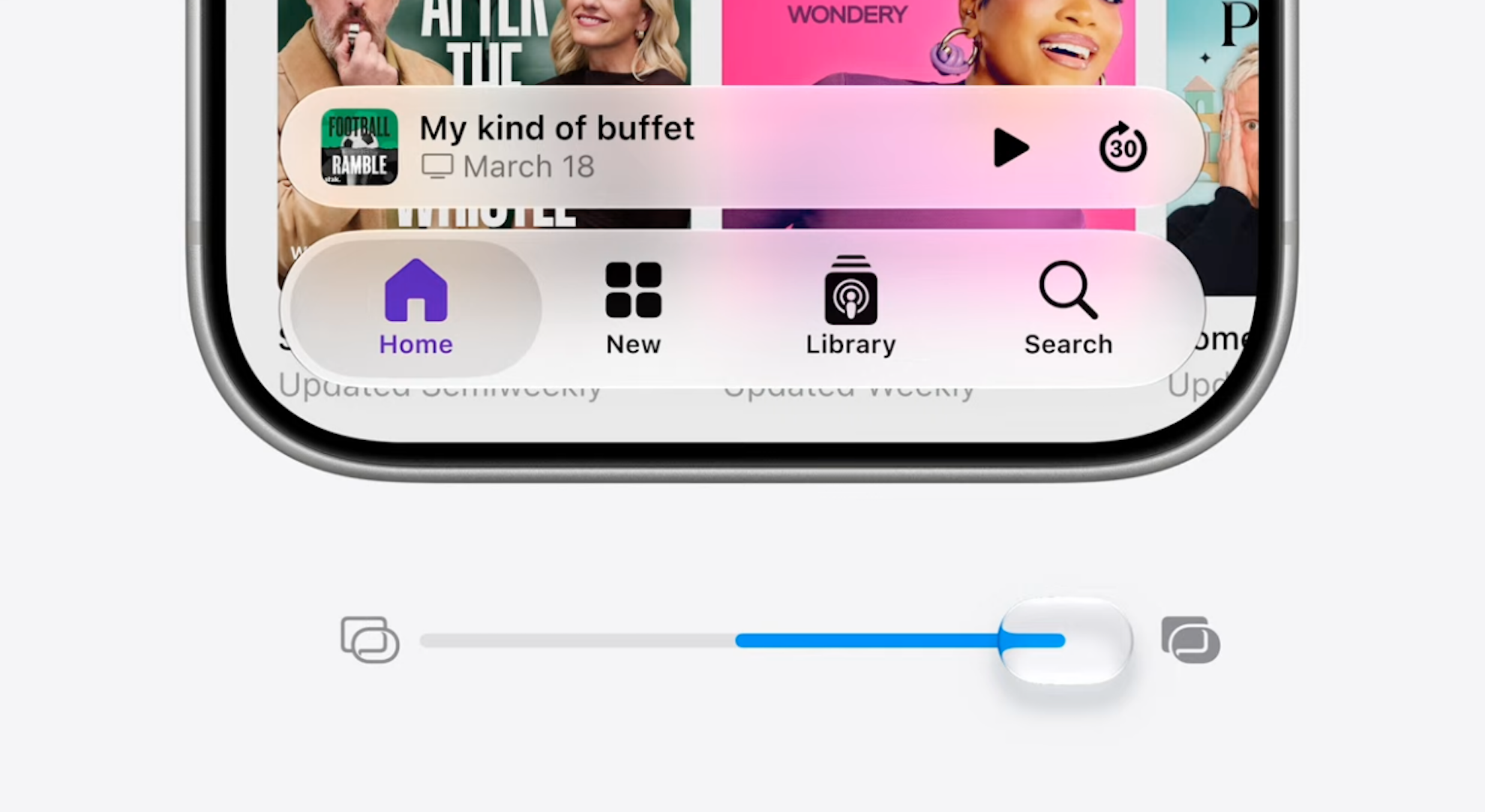
iOS 27 doesn't abandon Liquid Glass — it matures it. A new transparency slider lets users dial the effect anywhere from fully clear to fully tinted, replacing the binary choice of last year's two fixed modes. On macOS Golden Gate, sidebars expand and regain color dynamically based on which window is active, giving the desktop a more grounded, contextual feel.
The design story of WWDC 2026 is iteration over revolution — Apple's own words: "We take a bold leap forward… and then we iterate." Liquid Glass is now a platform, not a gimmick.
🛡️ Trust & Safety: Apple's Quiet Commitment
Perhaps the most underreported segment of the keynote was the one dedicated to trust and safety — and it deserves more attention.
Craig Federighi handed the stage over to discuss a suite of protections that go well beyond what most tech companies are willing to build by default:
For Families
- Ask to Browse: Children need parental approval before opening a new website in Safari — extending the existing "Ask to Buy" system from the App Store to the open web.
- Ask to Connect: Before a child can add a new contact in Messages, FaceTime, or Phone, a parent must approve it.
- Communication Safety Expansion: The system that already blurs explicit nudity in Messages and FaceTime now actively blocks incoming images containing gore or real-world violence — enabled by default for child accounts.
- Time Allowances: A new Screen Time feature with sensible, category-based default limits that adjust based on the child's age.
For Everyone
- Privacy-first Siri architecture: The new Siri AI is designed so that personal context — your messages, emails, photos — is processed with privacy protections built in. Apple has been explicit: your data is used to execute your request, not to train their models or be sold.
- End-to-end encryption in Messages, Safari privacy protections, and life-saving features like Crash Detection were all reinforced as core to Apple's identity — not features, but values.
The trust Apple is asking users to place in the new AI-powered Siri isn't given lightly. The company is structurally betting that safety and privacy, baked into the architecture rather than bolted on afterward, will become its most enduring competitive advantage.
🖥️ The Full Platform Sweep
Beyond Siri and Liquid Glass, WWDC 2026 covered every corner of Apple's ecosystem:
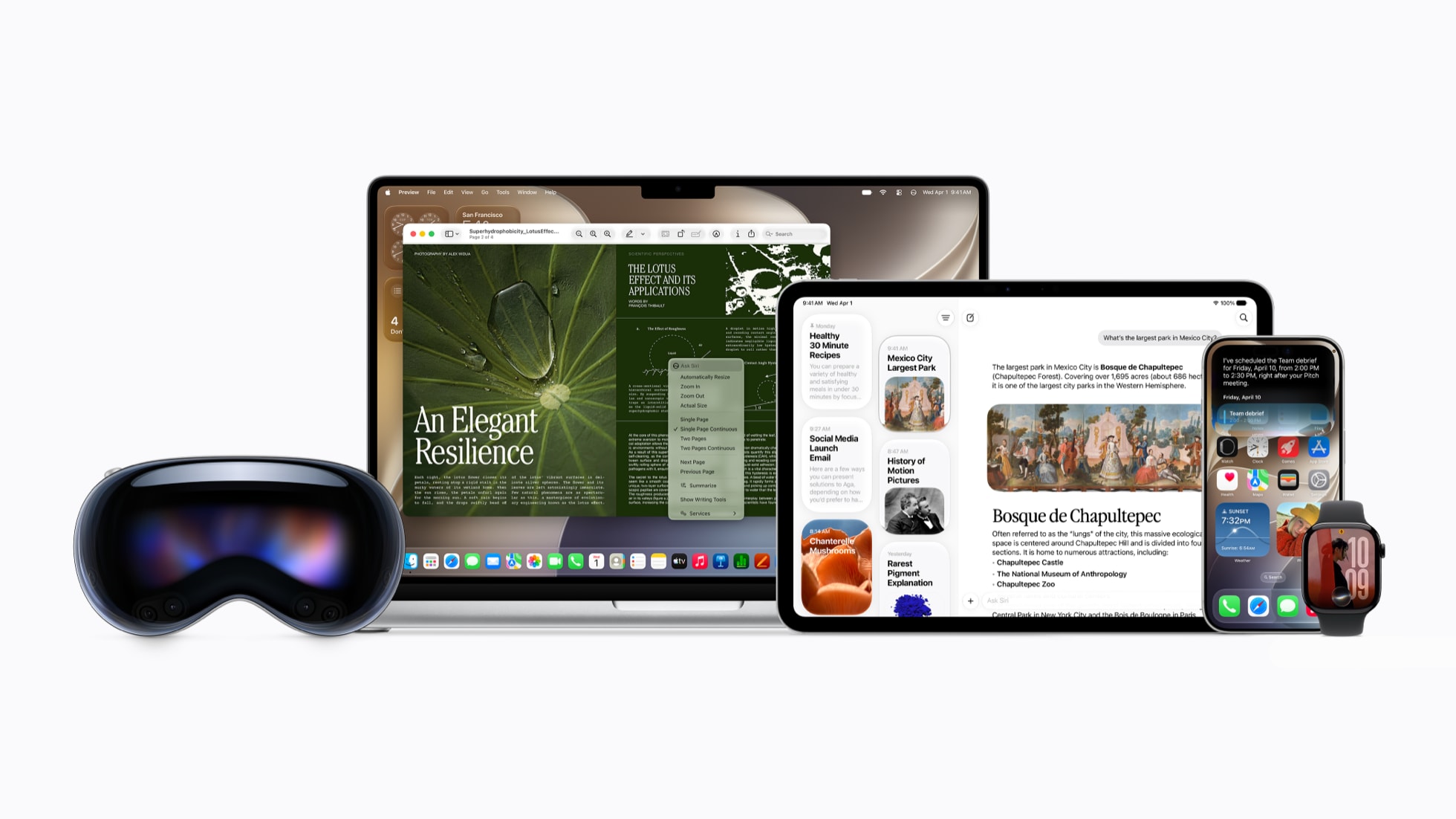
- iOS 27 supports all devices back to iPhone 11, with CPU scheduler optimizations extending performance improvements to older hardware
- macOS Golden Gate is Apple-silicon-focused, leaning into the power of the M-series chips for deeper AI integration
- iPadOS 27 brings faster performance and new multitasking refinements
- watchOS 27 gains expanded health tracking, including perimenopause and menopause support in the Health app
- visionOS 27 deepens Spatial Scenes with more immersive environments
- AirPods get a custom EQ for personalized sound — a small feature with a surprisingly large quality-of-life impact
- App Store developer tools get more flexibility, as Apple continues to navigate regulatory pressure globally
One notable caveat: due to the EU's Digital Markets Act, the new Siri AI will not be available in the European Union on iOS or iPadOS at launch. Apple argues that certain interoperability requirements conflict with the privacy and safety architecture underpinning Siri AI. It will, however, be available in the EU on Mac, Apple Watch, and Vision Pro.
🌍 The Bigger Picture: The World Is Moving Faster Than You Think
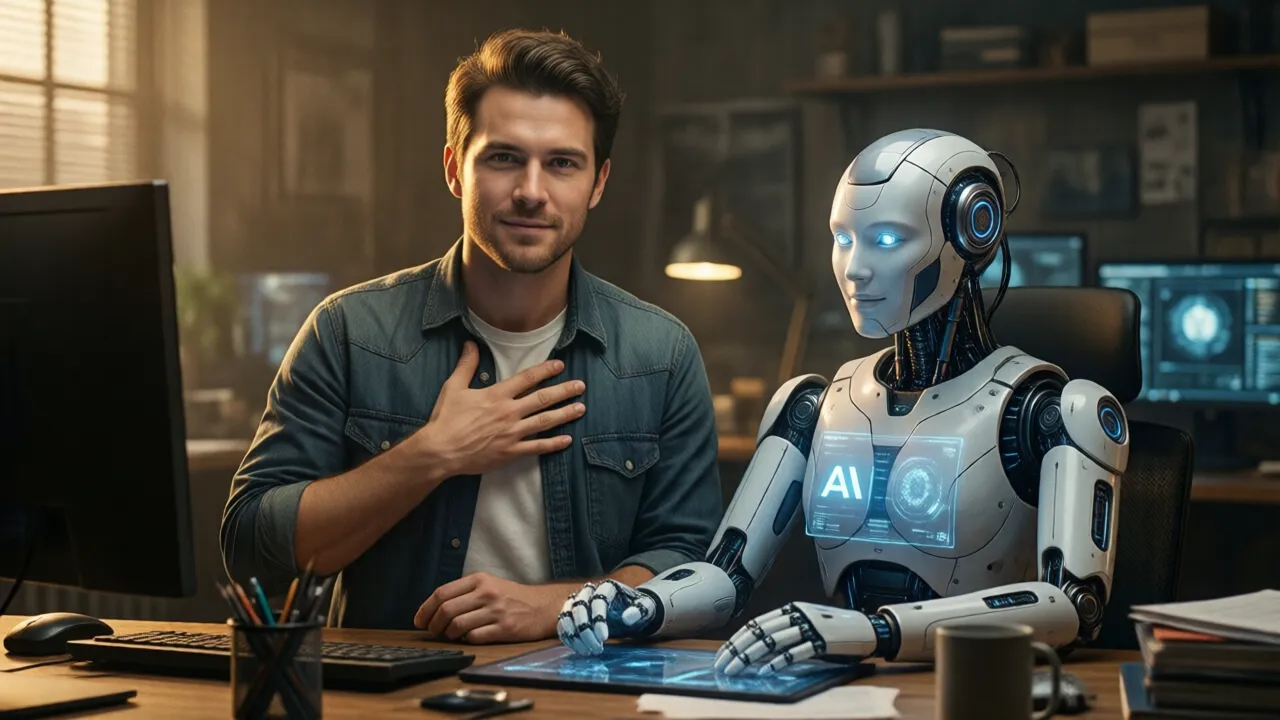
Here's the truth that WWDC 2026 makes impossible to ignore: the pace of intelligent technology is not linear — it's exponential.
A year ago, Siri couldn't hold a conversation. Today, it knows your writing style, reads your screen, and crosses every device you own. A year from now? We genuinely don't know — and that's the point.
The companies, individuals, and organizations that will thrive in this landscape are not the ones who react to change. They are the ones who plan ahead — who treat AI not as a tool to pick up when needed, but as a dimension of how they work, create, and grow every single day.
Most people are consuming AI. The ones winning are building with it, designing around it, and making it part of their long-term personal strategy.
If you haven't started thinking seriously about what your long-term plan looks like in an AI-accelerated world, the gap between you and those who have will compound every single quarter.
🗓️ One Tool Built for This Moment: IdealWeek
This is exactly the problem IdealWeek was built to solve.
While the intelligent world moves fast, IdealWeek helps you move with intention. It's a personal AI tool designed to help you take proactive, structured steps — turning the opportunities that AI is opening up into an actionable plan that fits your life, your goals, and your pace.
Not reactive. Not overwhelmed. Strategic.
The Apple keynote showed us where the technology is going. IdealWeek helps you figure out where you are going — and how to get ahead of the curve instead of chasing it.
The glow is real. The question is whether you're building toward it — or watching from the sidelines.
Tags: Apple · WWDC 2026 · Siri · Liquid Glass · Trust · Safety · Apple Intelligence · iOS 27 · AI · IdealWeek
Related Articles
View all →
How to Design Your Ideal Life: A Practical Guide
Like many people, you probably love formulas, rules, and instructions. You want to boil things down into steps and procedures. You dislike g…

How to Write a Personal Vision Statement That Actually Guides You
You face decisions every day. Some small: What should I eat for lunch? Some large: Should I take this job? Move to this city? End this relat…

Measure What Matters: The OKR Framework That Transformed Google and Can Transform Your Life
You've got big dreams. Maybe it's building a business that matters. Maybe it's running a marathon. Maybe it's being present for your family…